Dark Sky Accommodation in Spain for Astrophotography

Private astrophotography accommodation in Spain beneath Bortle 3 skies, with outdoor setup areas, power and Starlink Wi-Fi.

ASTROPHOTOGRAPHY AT LEONARD'S LOOKOUT

Dark skies and room to set up

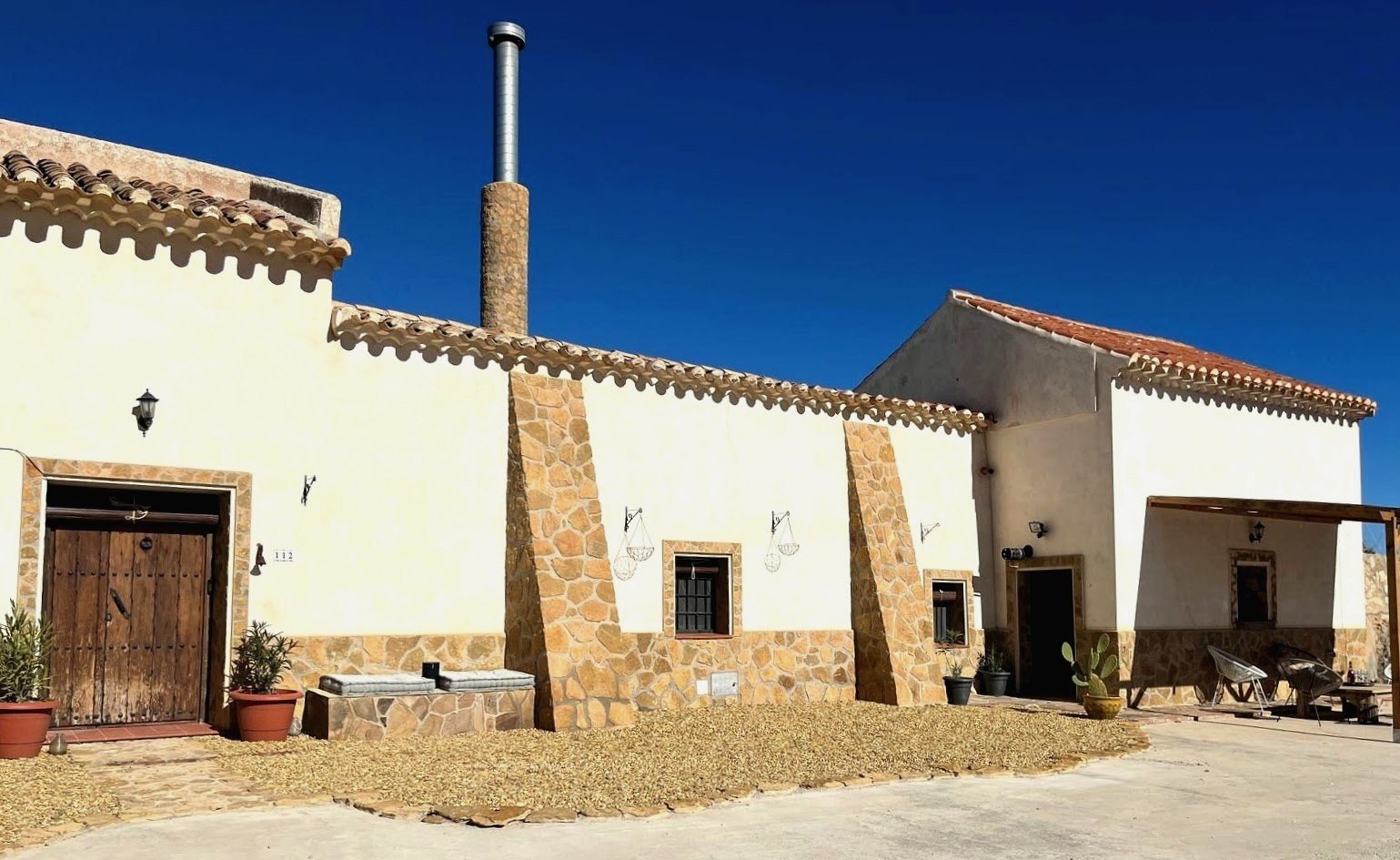
Leonard’s Lookout is private dark sky accommodation in Spain for guests who want the freedom to bring and use their own equipment.

Set beneath Bortle 3 skies in rural Andalusia, the property provides outdoor setup areas, power at both the front and back, and Starlink Wi-Fi throughout the house and outside.

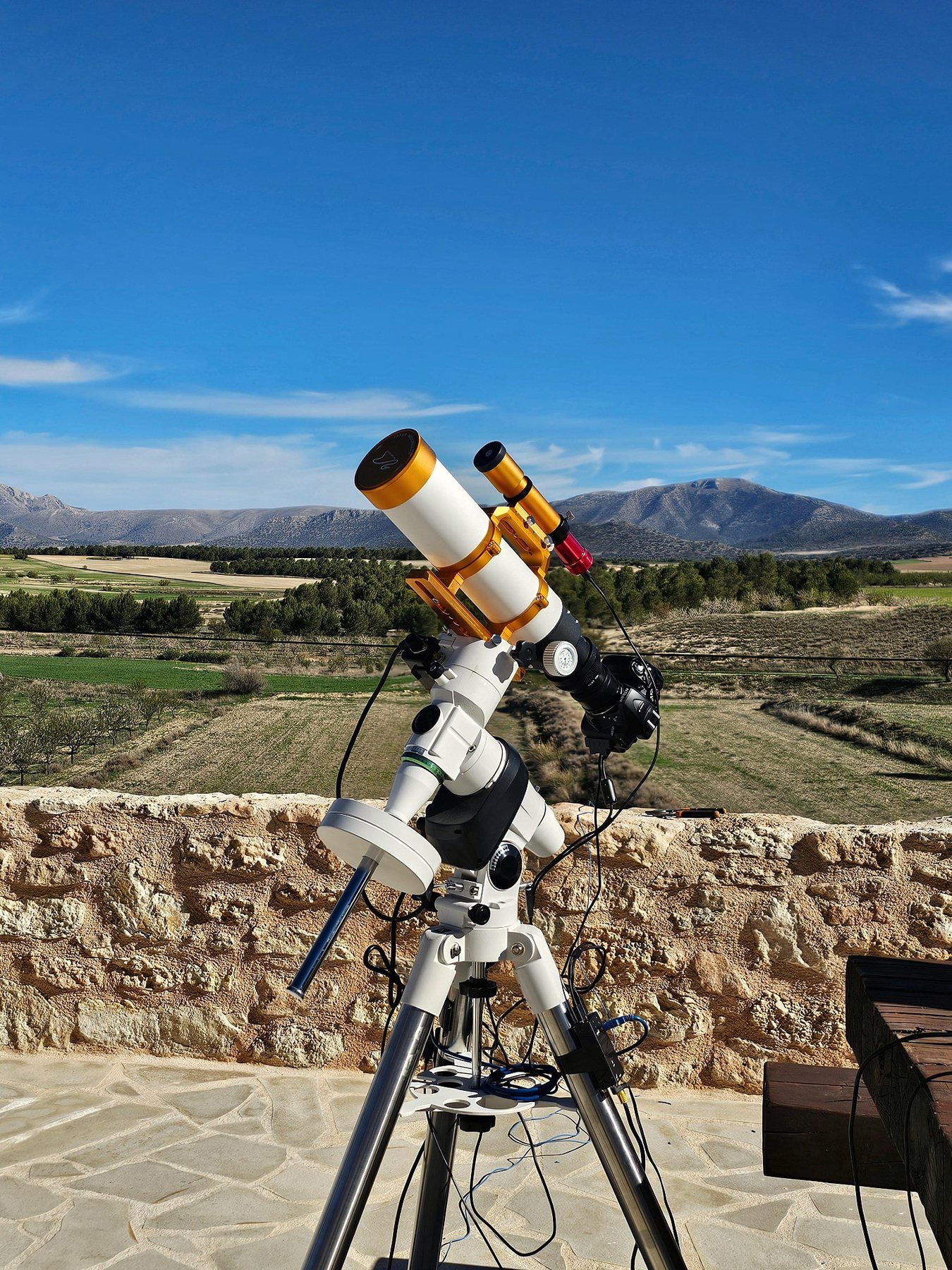
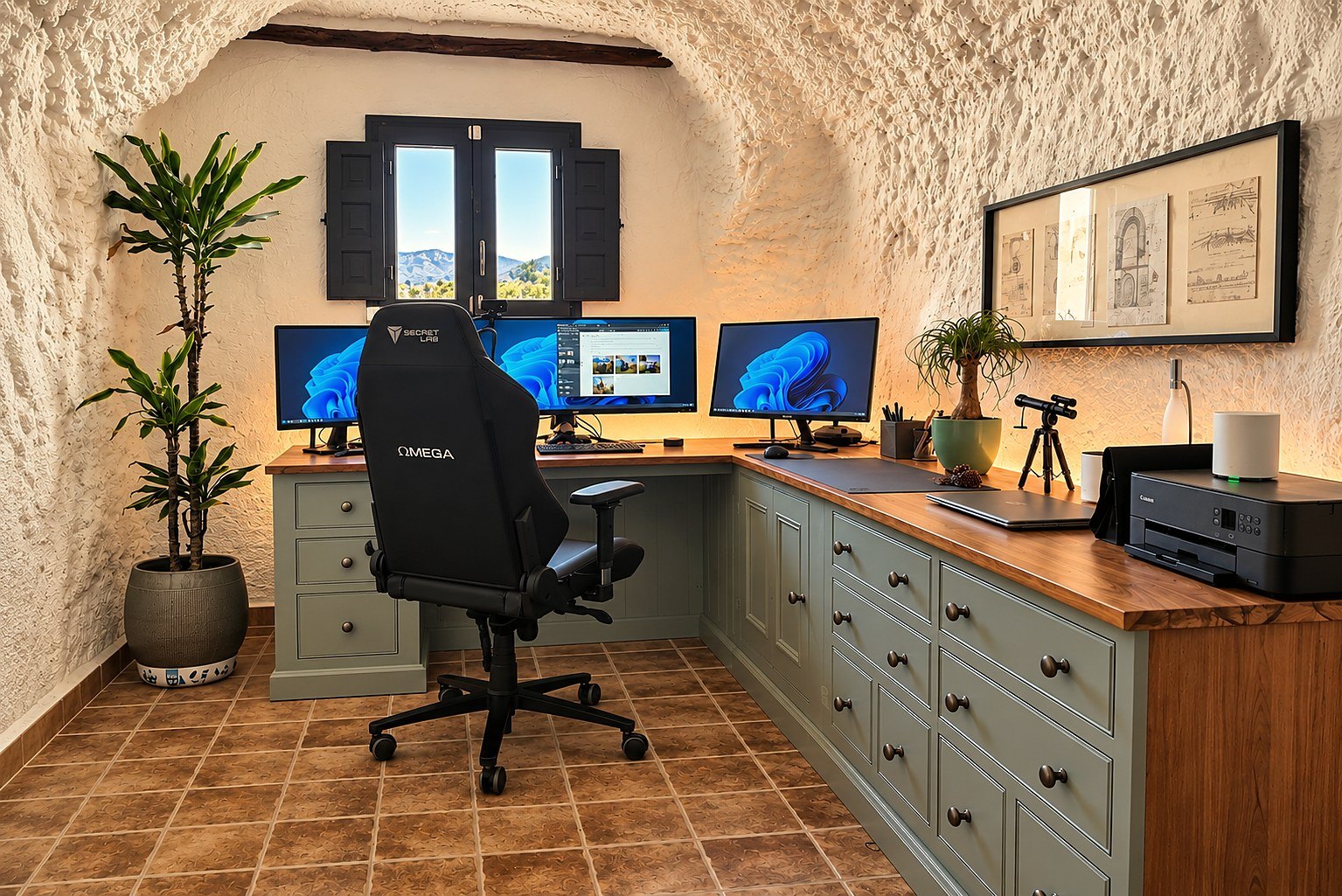
It is particularly suited to independent astrophotographers planning deep-sky imaging, tracked Milky Way photography or daytime solar sessions. Guests can leave their equipment set up, work through longer imaging sequences and use the dedicated office for planning and processing.

For anyone comparing places to stay for stargazing in Spain, Leonard’s Lookout combines a genuinely dark rural setting with the space and practical facilities needed for a comfortable multi-night stay.

View the sky-quality research, maps and methodology →

A VERY DIFFERENT STAY

Serious about the sky, comfortable on the ground

Leonard’s Lookout is designed for guests who take their imaging seriously but still want a comfortable private base between sessions. The cave house sleeps up to eight, with four double bedrooms, three bathrooms, several living spaces, a fully equipped kitchen and a dedicated office.

This is not a guided astronomy centre. Guests bring their own cameras, trackers, mounts, telescopes and solar equipment, then set up and work independently according to the weather, targets and conditions.

As stargazing accommodation in Spain, it offers more than somewhere to stop for a few hours: there is space to stay for several nights, monitor the forecast, process images and rest properly between sessions.

"Set up outside. Process inside. Sleep beneath the earth."

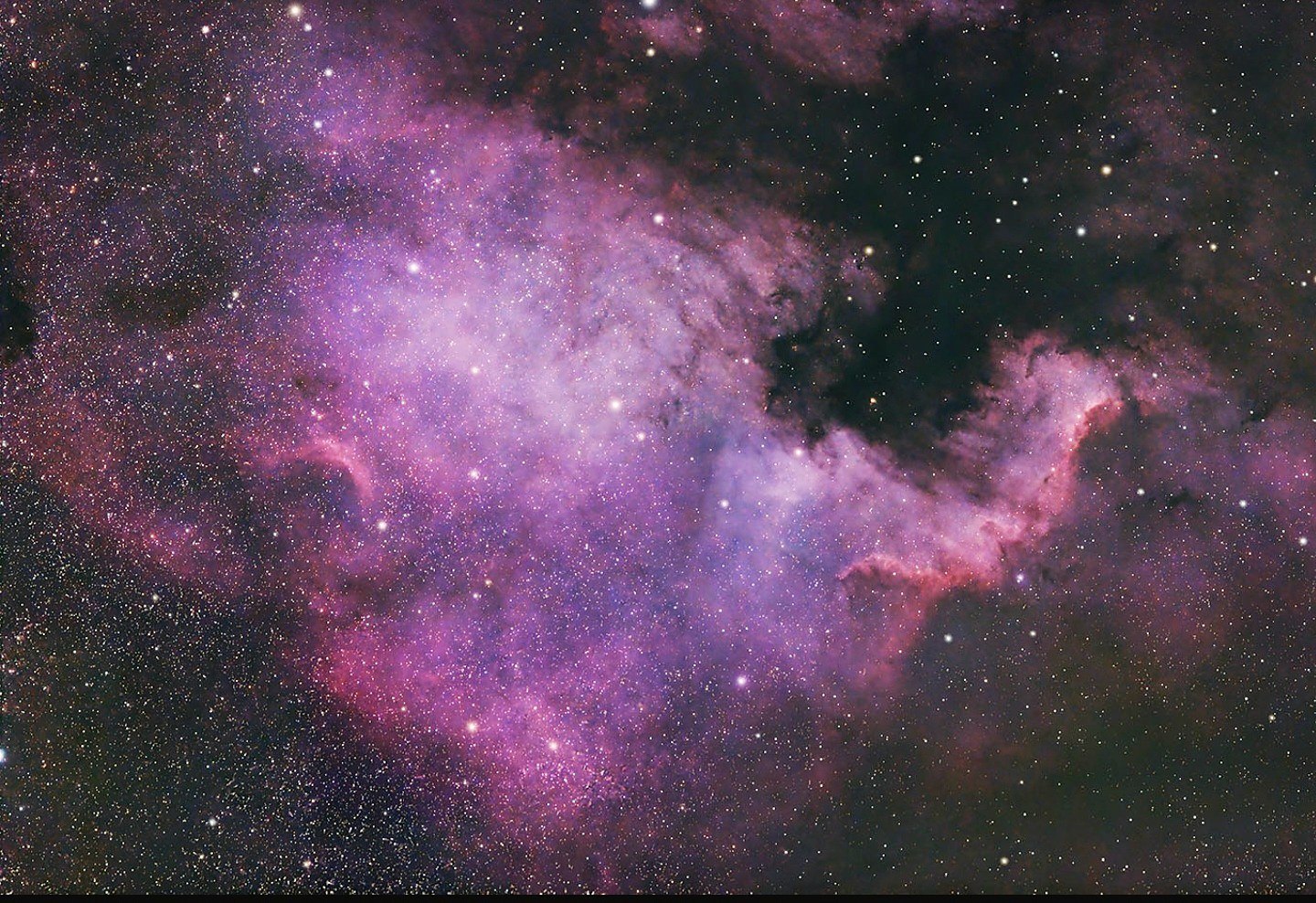
HeartNeb1stedit.jpg.070293a4ce553c2cb4774b027a4c9b0d

Bortle 3 skies outside. Cave house comfort inside.

DEEP-SKY IMAGING

Longer integrations, fainter targets

On clear, moonless nights, the Bortle 3 setting gives deep-sky imagers a strong base for longer integrations and lower-contrast targets.

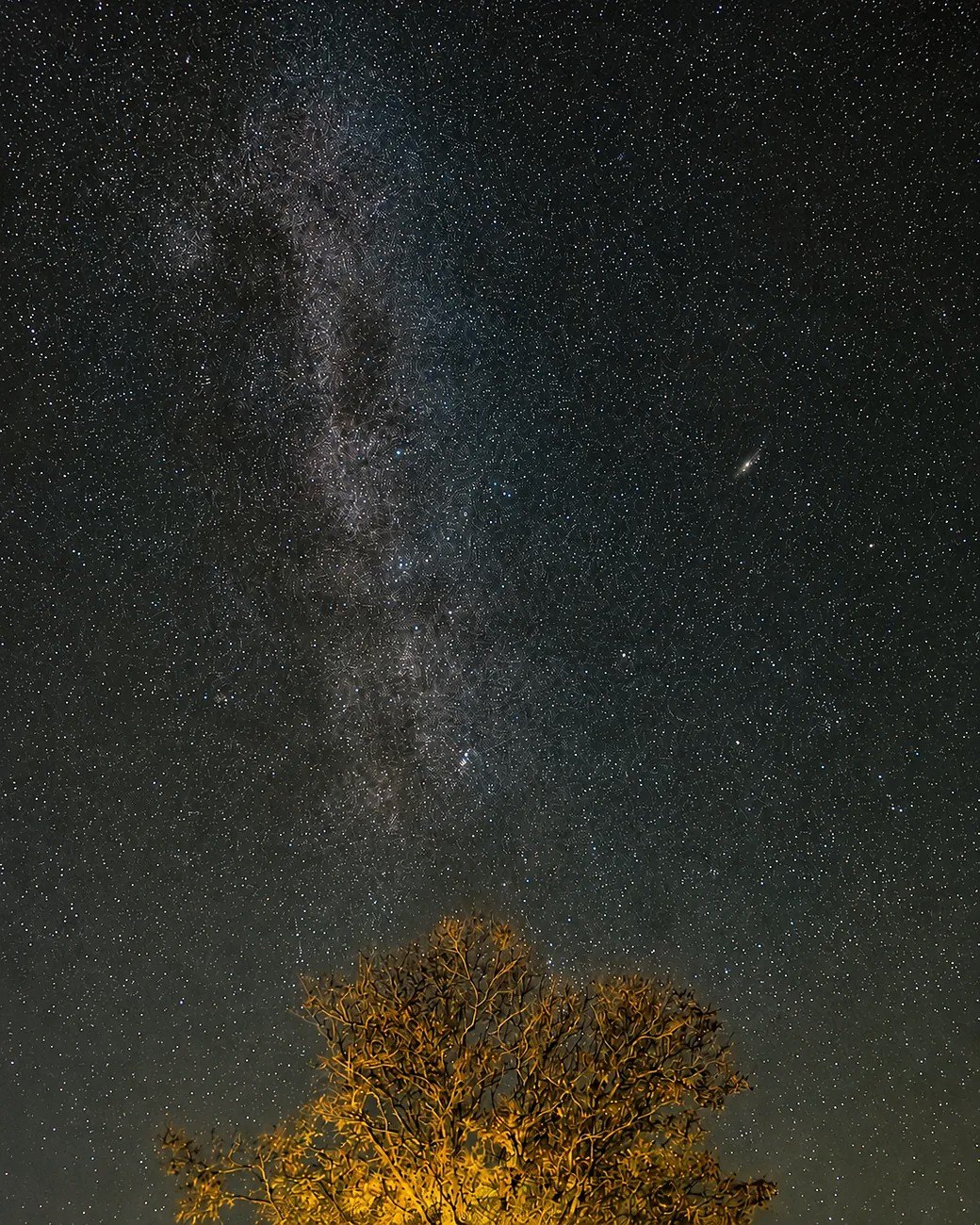
Broadband and narrowband projects can be planned around nebulae, galaxies and star clusters, with the freedom to run multi-hour capture sequences directly from the property.

A private, multi-night stay also gives you time to adapt plans as conditions change, review data between sessions and return to a target on subsequent nights without the pressure of a single organised workshop or observing session.

MILKY WAY & NIGHTSCAPES

Milky Way imaging from the property

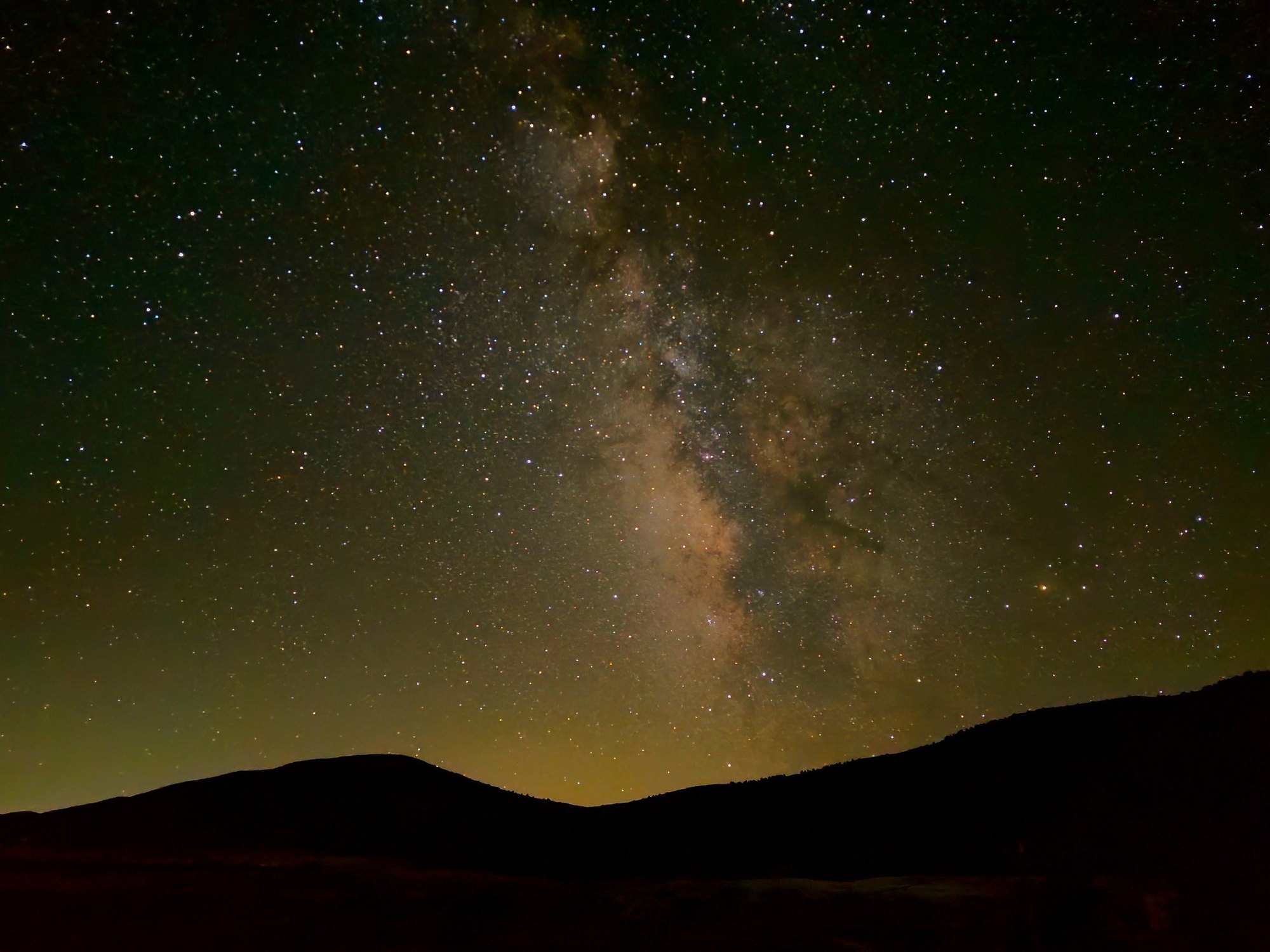
During the right season and under clear, moonless conditions, the Milky Way is visible from Leonard’s Lookout.

The terraces and outdoor areas provide space for untracked wide-field photography, tracked sky exposures and panoramas, without needing to pack up and drive elsewhere after dark.

The best orientation and composition will depend on the season, the position of the Galactic Core, moonlight and local conditions on the night.

SOLAR IMAGING & OBSERVATION

White-light and H-alpha by day

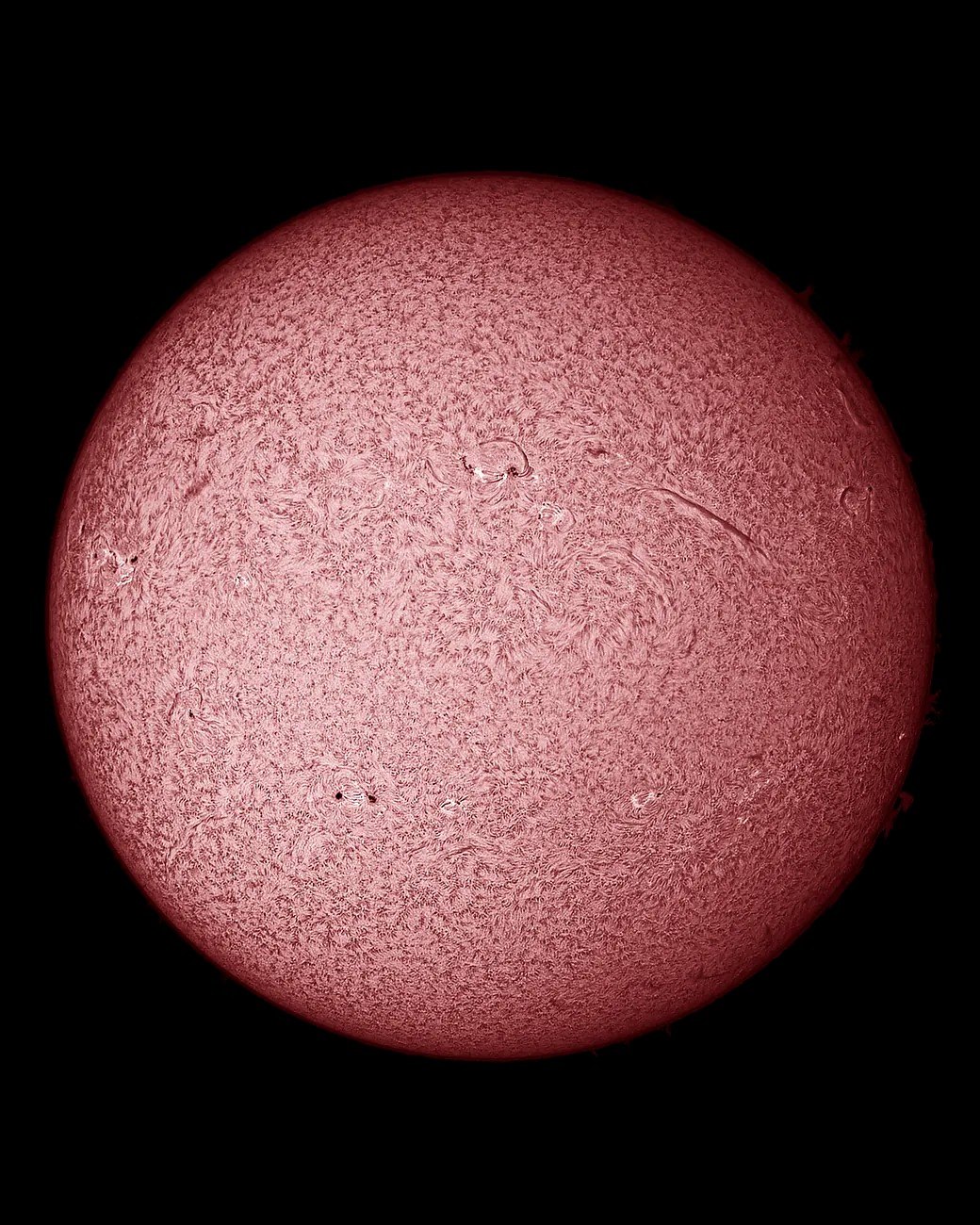
Solar imaging extends the astrophotography potential at Leonard’s Lookout beyond the hours of darkness. White-light setups can be used to record sunspots, faculae and photospheric detail, while H-alpha systems can reveal prominences, filaments, active regions and surface structure.

Daytime sessions can be planned alongside night-time deep-sky or Milky Way work, making the property suitable for photographers who want to use clear conditions throughout the day rather than limiting a stay to overnight imaging.

Safe solar practice is essential. The Sun must only be observed or imaged using purpose-designed solar telescopes or correctly fitted filtration suitable for the optical system in use.

Practical facilities for astrophotography stays

Our dark sky accommodation in Spain provides the practical space and facilities needed for independent imaging sessions and comfortable multi-night stays.

  • Bortle 3 dark skies

  • Power at front & back

  • Large flat terraces

  • Starlink Wi-Fi

  • Equipped office

  • Wide open views

  • Sleeps up to 8 guests

  • 4-person spa

  • Guests bring own equipment

    leonards-lookout-andromeda-galaxy-widefield-banner

    The sky sets the schedule. Leonard’s Lookout gives you the time and space to work with it.

    PLAN AROUND THE SKY

    Plan the target, not just the dates

    The right dates depend on what you want to image. For deep-sky work, consider moon phase, target altitude, transit time, astronomical darkness and seasonal visibility. For Milky Way work, check the galactic core season, orientation and moonlight.

    Forecasts matter, but so do wind, humidity, seeing, transparency and dew risk. A multi-night stay gives you more room to adapt when conditions change.

    COMFORT BETWEEN SESSIONS

    A stay that works for the whole group

    Leonard’s Lookout accommodates up to eight guests across four double bedrooms, with three bathrooms, several living areas and a fully equipped kitchen. It works well for imaging partners, small astro groups and companions keeping different schedules.

    The cave house layout gives everyone room to sleep, work and unwind without the whole stay revolving around a single overnight session. For groups comparing dark sky accommodation in Spain, this means the stay can work for imagers and non-imaging companions alike.

    Explore our astrophotography guides

    Plan your stay around moon phase, seasonal targets and sky conditions with our practical guides to astrophotography in southern Spain, Bortle skies and deep-sky imaging from Leonard’s Lookout.

    Frequently asked questions

    1How dark are the skies at Leonard's Lookout?
    Leonard’s Lookout sits beneath dark rural skies in Granada province. IAA-CSIC modelling indicates sky brightness of approximately 21.7–21.8 mag/arcsec², which we conservatively describe as Bortle 3 on clear, moonless nights. Actual conditions vary with moonlight, weather, atmospheric clarity and occasional distant light sources.
    2Is Leonard's Lookout suitable for deep-sky imaging?
    Yes. The property provides a private base for broadband and narrowband imaging of nebulae, galaxies and star clusters. Outdoor setup areas, power at the front and back, and the freedom to run multi-hour capture sequences make it suitable for experienced imagers and hobbyists working independently.
    3Can I photograph the Milky Way from the property?
    Yes. The Milky Way is visible from Leonard’s Lookout during the appropriate season under clear, suitably dark conditions. The best orientation and composition will depend on the position of the Galactic Core, moon phase, atmospheric clarity and the time of year.
    4What astrophotography facilities are available?
    Guests have access to outdoor setup areas, power at both the front and back of the property, Starlink Wi-Fi throughout the house and outside, and a fully equipped office for planning, monitoring, image review, calibration and processing.
    5Do you provide telescopes, equipment or tuition?
    No. Leonard’s Lookout is private, self-catered astrophotography accommodation rather than an observatory, equipment-hire facility or guided astronomy centre. Guests bring, set up and operate their own cameras, mounts, telescopes and supporting equipment.
    6Is the property suitable for solar imaging?
    Yes. Guests can use appropriately filtered white-light, H-alpha and other purpose-designed solar imaging systems in the outdoor areas. Safe solar practice is essential, and the Sun must never be observed or imaged through unfiltered optical equipment.
    7When is the best time to book an astrophotography stay?
    The best dates depend on what you want to image. Deep-sky photographers should consider moon phase, target altitude, transit time and astronomical darkness, while Milky Way photographers should check the Galactic Core season and moonlight. Weather, wind, humidity, seeing, transparency and dew risk should also be considered.
    8Is Leonard's Lookout suitable for astrophotography groups?
    Yes. The house accommodates up to eight guests across four double bedrooms, with three bathrooms, several living areas, a fully equipped kitchen and space for different sleeping and imaging schedules. It works well for imaging partners and small groups bringing their own equipment.
    9Can stargazers, beginners and non-imaging companions enjoy the stay?
    Yes. The property also works well for visual stargazers, beginners and companions who are not imaging. Guests can enjoy the dark skies and open views from the terraces, while the cave house provides comfortable living spaces, a fully equipped kitchen and a four-person spa between sessions. Leonard’s Lookout does not provide equipment or tuition, so anyone planning to observe should bring what they need.
    10Can astrophotography equipment be left set up between sessions?
    Yes. Guests have exclusive use of the property and may leave their equipment set up on the private terraces between sessions if they are comfortable doing so. Equipment should still be secured and protected appropriately from wind, dew and changing weather conditions. This makes Leonard’s Lookout a strong option for guests looking for genuinely dark sky accommodation in Spain.
    Leonard's Lookout cave house in Andalusia with terrace and mountain views

    Plan your astrophotography stay

    Planning a stay at our dark sky accommodation in Spain around a particular target, Moon phase or equipment setup? Contact us with any practical questions before booking, or check availability for your preferred dates.