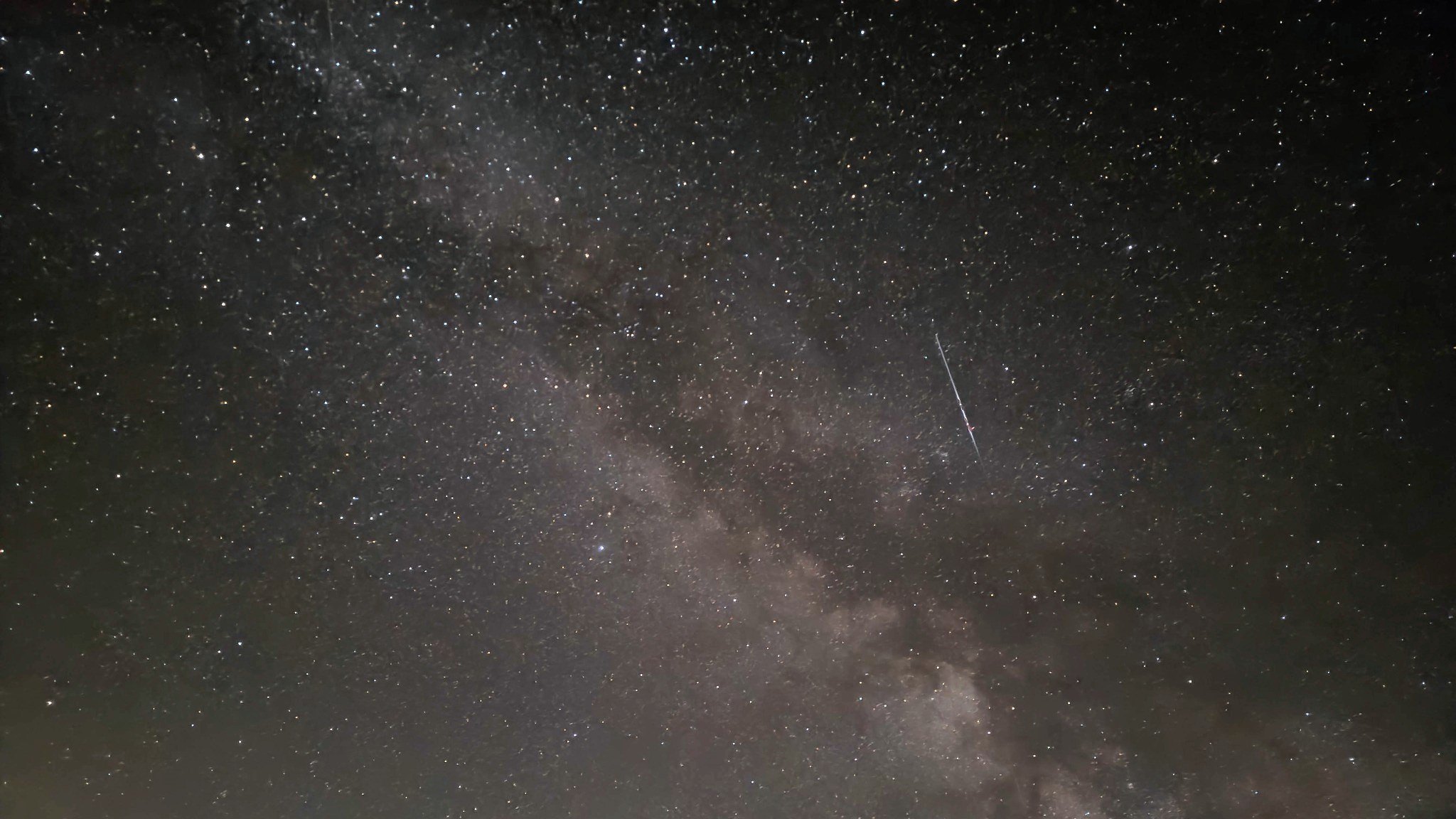
Monthly Night Sky Guide
September Night Sky Guide 2026 Southern Europe
What to see and photograph this September from Spain and Southern Europe, including the best dark-sky nights, deep-sky targets and practical observing highlights.
Plan the monthSeptember 2026
September at a Glance
The useful dates and seasonal shifts to know before planning an observing or imaging night.
Southern Spain · 37.7°N
September Sky Planner
Approximate timings from Southern Spain · 37.7°N · September 2026
Dusk – around 10pm
Early Evening
- Milky Way Core
- Sagittarius Star Cloud
- Cygnus
Around 10pm – midnight
Mid-Evening
- North America Nebula
- Veil Nebula
- Cygnus star clusters
After midnight
Late Night
- Andromeda Galaxy — M31
- Triangulum Galaxy — M33
- Double Cluster
Around the New Moon
Dark-Sky Window
7–15 September
Darkest around the New Moon on 11 September. Moon-free hours vary through the window.
Photographer’s tipPlan the session in daylight, check the forecast and choose targets according to when they are best placed.
Featured targets
5 September Targets to See or Photograph
Five useful September targets spanning galaxies, nebulae and star clusters, with detailed imaging notes further down the guide.
01 · Spiral Galaxy
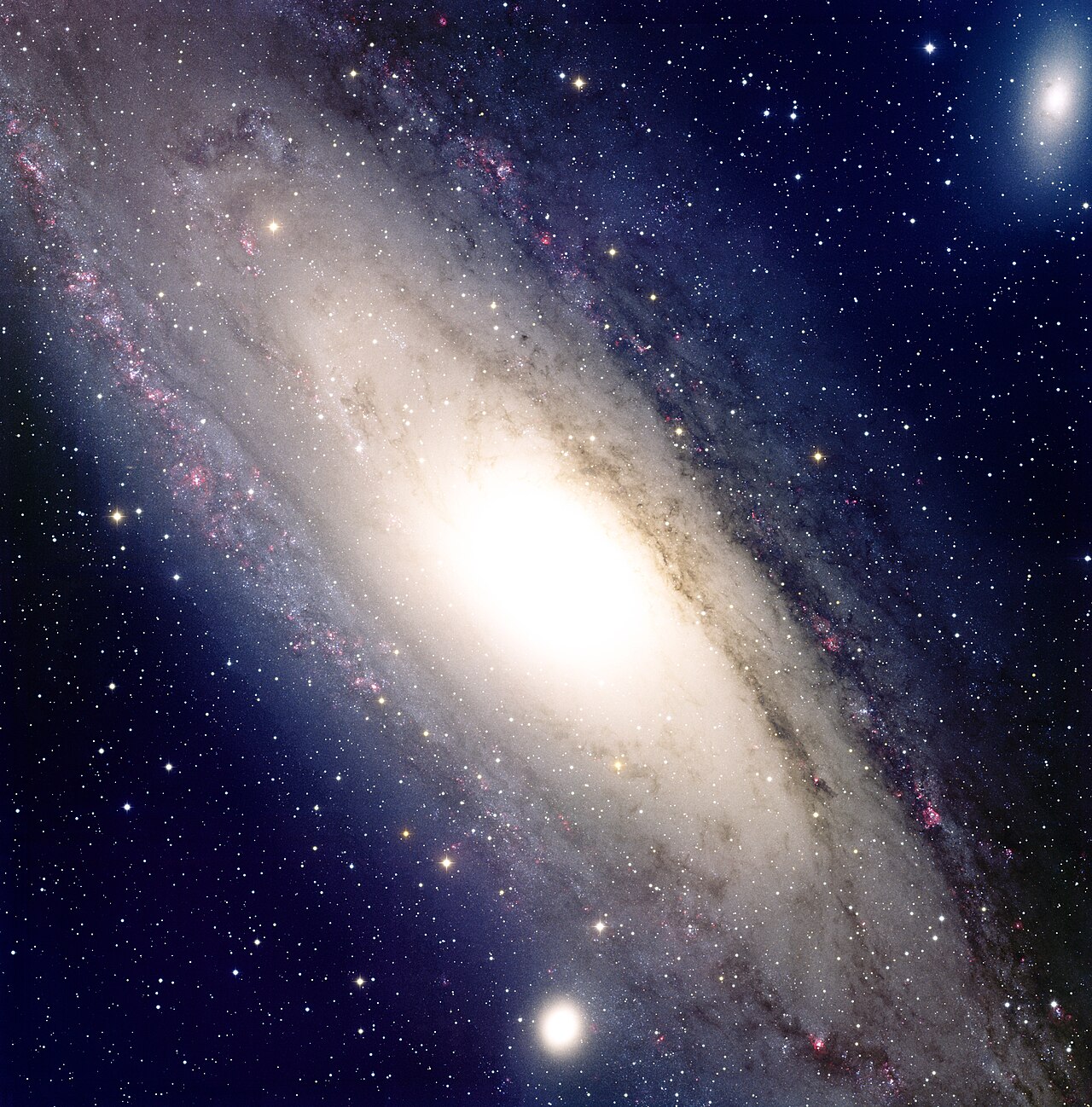
Andromeda Galaxy — M31
The Andromeda Galaxy is the nearest large galaxy to the Milky Way and one of the finest autumn targets from Southern Europe. Its bright central core is easy to locate under dark skies, while longer exposures reveal the galaxy’s sweeping outer structure and companion galaxies M32 and M110.
Best time: Late evening into the early hours.
Detailed imaging notes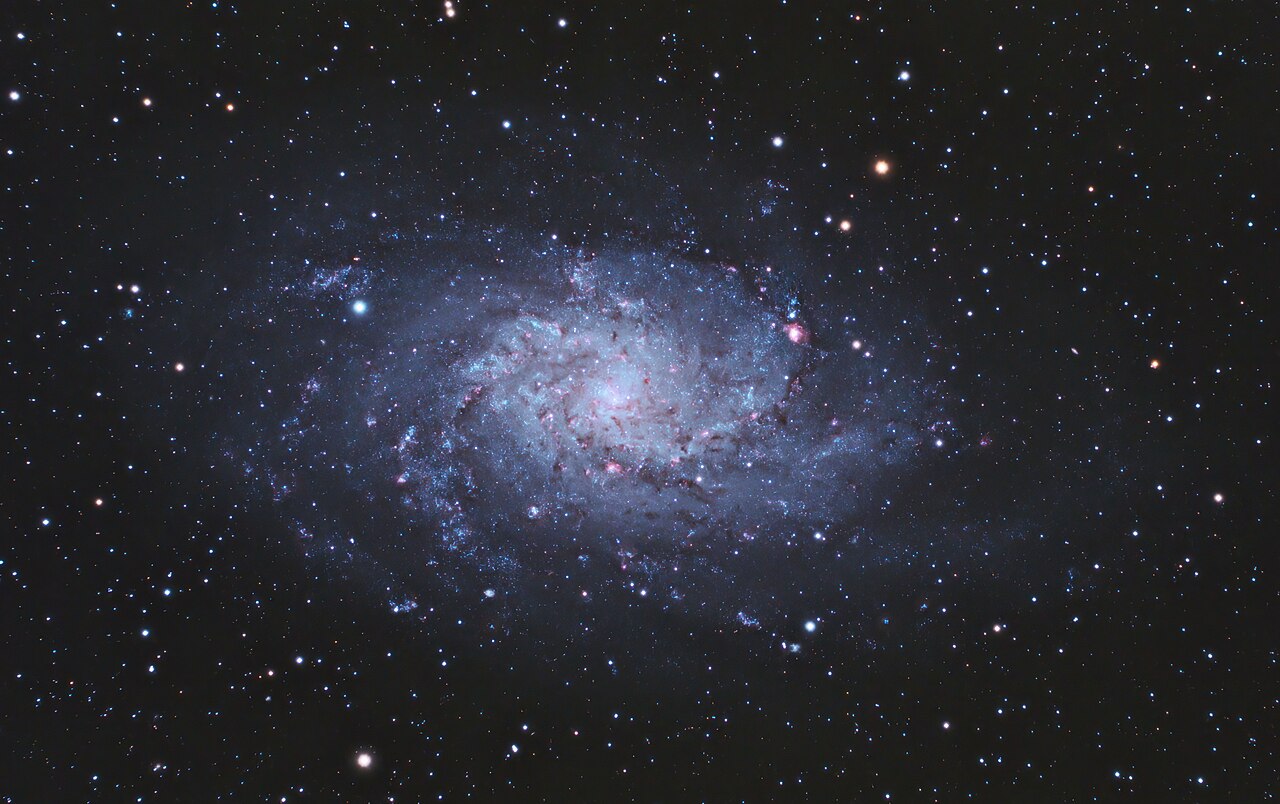
02 · Spiral Galaxy
Triangulum Galaxy — M33
Smaller and fainter than Andromeda, M33 is a beautiful face-on spiral galaxy. Dark skies make a substantial difference to both visual observing and imaging, revealing delicate spiral structure, star-forming regions and NGC 604.
Best time: Late evening into the early hours.
Detailed imaging notes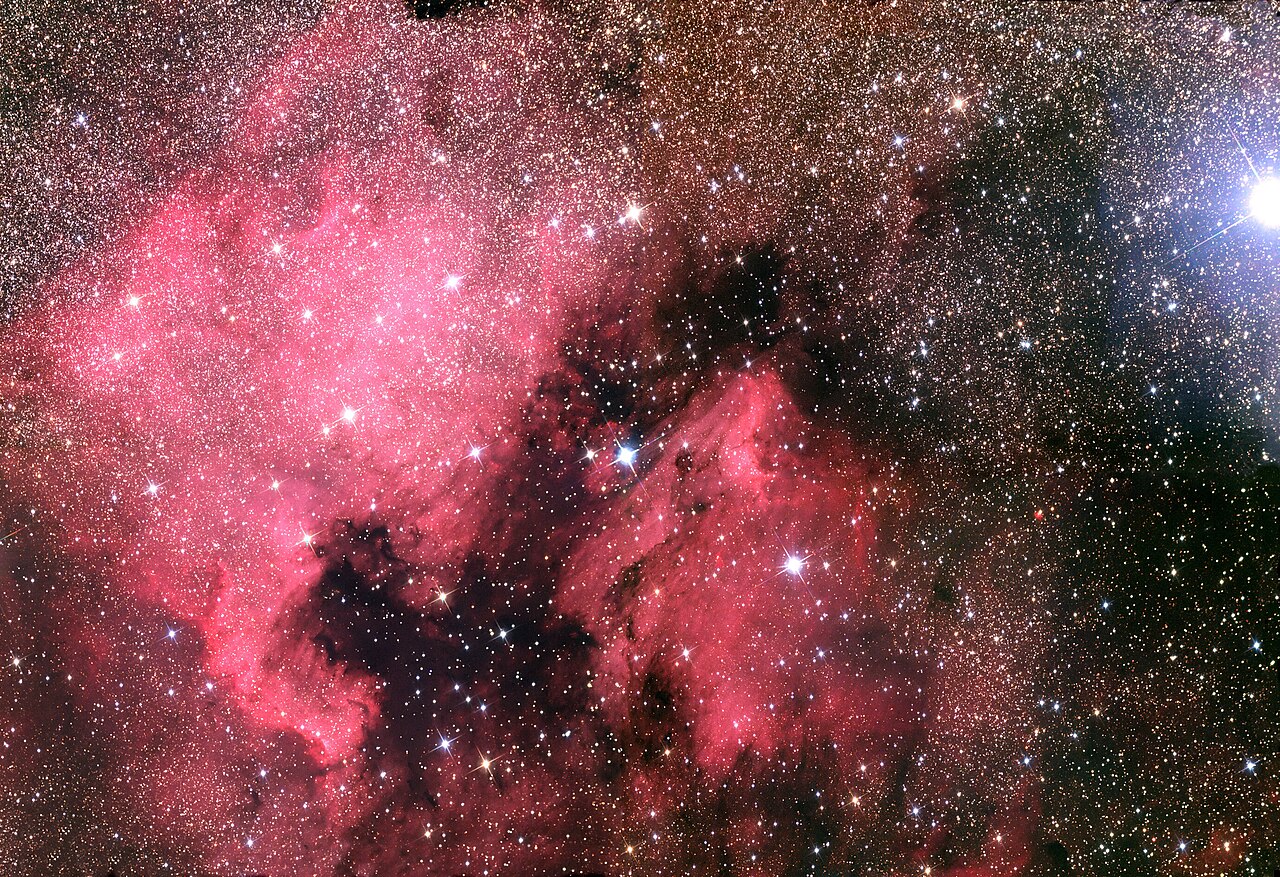
03 · Emission Nebula
North America Nebula — NGC 7000
This vast emission nebula lies in Cygnus close to the bright star Deneb. Its large apparent size makes it particularly suitable for wide-field astrophotography, including the neighbouring Pelican Nebula.
Best time: Early to mid-evening.
Detailed imaging notes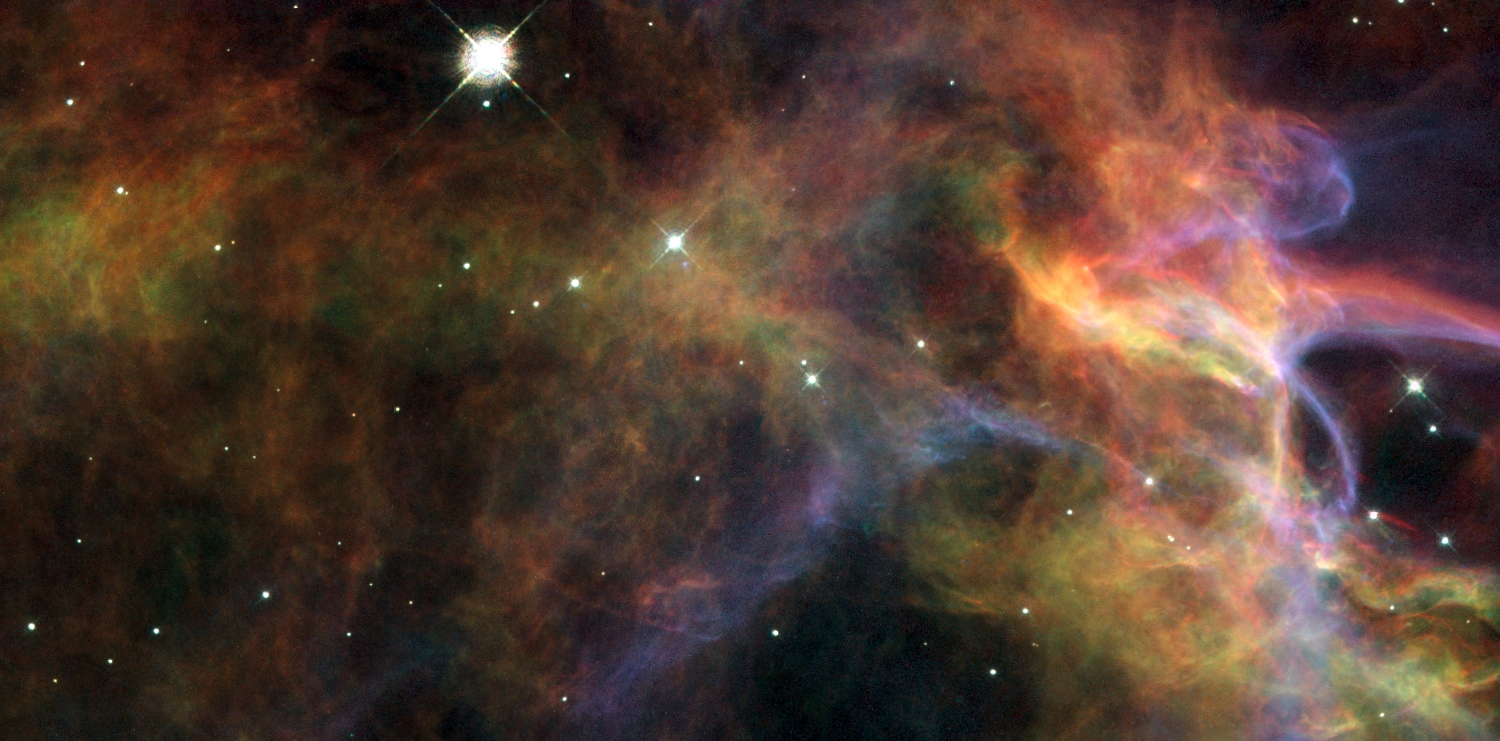
04 · Supernova Remnant
Veil Nebula — NGC 6960 / NGC 6992
The Veil is an enormous supernova remnant spread across several degrees of Cygnus. Its eastern and western arcs contain intricate filaments suitable for wide-field and detailed narrowband imaging.
Best time: Early to mid-evening.
Detailed imaging notes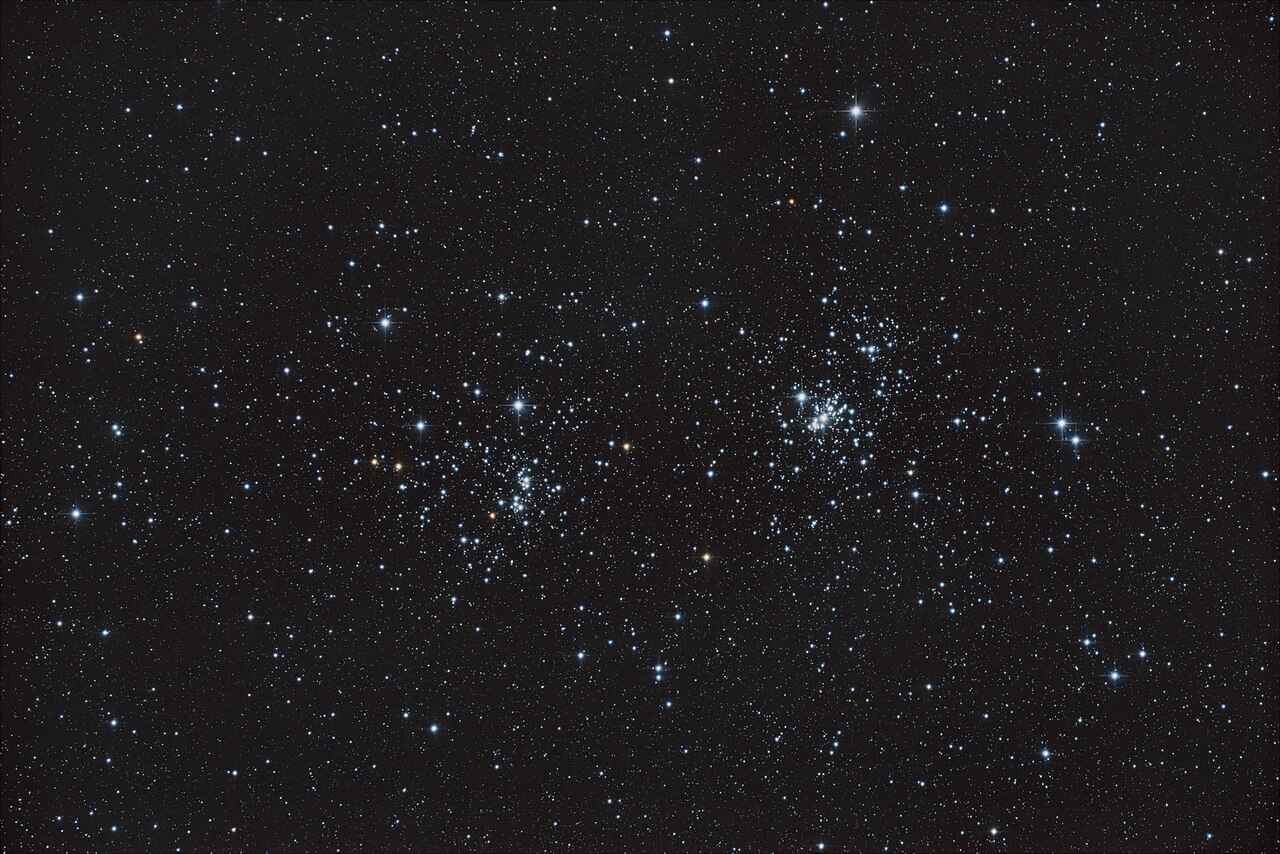
05 · Open Star Clusters
Double Cluster — NGC 869 & NGC 884
These neighbouring open clusters in Perseus form one of the most attractive binocular and low-power telescope views in the northern sky and are equally rewarding photographically.
Best time: Late evening into the early hours.
Detailed imaging notesAcross the month
Other September Highlights
New Moon
The month’s best dark-sky conditions arrive around New Moon, ideal for faint deep-sky targets.
Brilliant Venus After Sunset
Venus shines brilliantly low in the western sky after sunset. A clear western horizon gives the best view.
Autumnal Equinox
Astronomical autumn begins, bringing progressively longer nights across the Northern Hemisphere.
Neptune at Opposition
Neptune reaches its best observing position of the year. Binoculars or a telescope are required.
Technical planning
Detailed September Imaging Guide
September is a transition month from Southern Spain: the summer Milky Way and Cygnus remain strong early in the night, while Andromeda, Triangulum and Perseus become increasingly useful as the evening progresses.
Focal-length suggestions are approximate and depend on sensor size and framing. Filter recommendations are practical starting points rather than fixed rules; Leonard’s Lookout’s dark skies also make broadband imaging particularly useful when the Moon is absent.
01 · Spiral Galaxy
Andromeda Galaxy — M31
Why September matters: Andromeda becomes increasingly well placed through the evening as the autumn sky takes over.
- Best time
- Late evening → early hours
- Focal length
- Approx. 200–600 mm
- Filters
- Broadband / UV-IR cut
- Difficulty
- Moderate
- Main challenge
- Bright core vs faint disk
M31 covers a very large area of sky, so relatively short focal lengths can produce an impressive composition containing the extended disk, M32 and M110.
The principal processing difficulty is dynamic range: the core is bright while the outer disk and dust structure are much fainter.
↑ Back to September targets02 · Spiral Galaxy
Triangulum Galaxy — M33
Why September matters: M33 follows the same seasonal rise into the autumn sky as Andromeda but rewards genuinely dark conditions even more.
- Best time
- Late evening → overnight
- Focal length
- Approx. 300–800 mm
- Filters
- Broadband; optional Hα
- Difficulty
- Moderate–advanced
- Main challenge
- Low surface brightness
M33 is visually more elusive than its integrated magnitude suggests because its light is spread across a broad face-on disk.
Broadband imaging preserves the natural galaxy colour, while Hα data can emphasise major star-forming regions such as NGC 604.
↑ Back to September targets03 · Emission Nebula
North America Nebula — NGC 7000
Why September matters: Cygnus remains extremely useful in the early part of September nights, while earlier darkness provides more usable imaging time.
- Best time
- Early → mid-evening
- Focal length
- Approx. 135–400 mm
- Filters
- Hα/OIII or dual-band
- Difficulty
- Easy–moderate
- Main challenge
- Framing the huge field
NGC 7000 is a very large target, making wide-field refractors and camera lenses particularly useful.
Narrowband or dual-band filters give strong contrast, while dark moonless skies also make broadband imaging rewarding.
↑ Back to September targets04 · Supernova Remnant
Veil Nebula — NGC 6960 / NGC 6992
Why September matters: The Veil remains well placed in the Cygnus evening sky, but the useful window gradually moves earlier through the month.
- Best time
- Early → mid-evening
- Focal length
- 135–300 mm full complex
- Filters
- OIII / dual-band
- Difficulty
- Moderate
- Main challenge
- Scale and faint filaments
The whole Veil complex spans several degrees, so wide-field equipment is required to capture both eastern and western arcs in one composition.
OIII is especially effective for revealing its fine filamentary structure.
↑ Back to September targets05 · Open Star Clusters
Double Cluster — NGC 869 & NGC 884
Why September matters: Perseus becomes progressively better placed later in the evening.
- Best time
- Late evening onward
- Focal length
- Approx. 200–500 mm
- Filters
- Broadband / none
- Difficulty
- Easy
- Main challenge
- Natural star colour
Moderate focal lengths usually produce the most attractive composition while preserving the rich surrounding star field.
It is also an excellent crossover target for visual observers and imagers.
↑ Back to September targetsBeyond the five
Other September Targets Worth Considering
The five targets above are not the whole September sky. Depending on equipment, focal length and the time of night, these are also worth adding to an observing or imaging list.
A rich open cluster in Cassiopeia, especially attractive at moderate focal lengths and visually through a telescope.
A compact planetary nebula in Andromeda for longer focal lengths and higher-resolution imaging.
A useful Cassiopeia field combining a star cluster with emission-nebula structure for wider imaging setups.
Still well placed during the evening and suitable for both visual observing and accessible nebula imaging.
Leonard’s Lookout · Granada
From Dark-Sky Southern Spain
September marks a noticeable return to longer observing nights in southern Spain. Around Leonard’s Lookout in the Granada Geopark, the combination of Bortle 3 skies, open horizons and dry rural surroundings makes early autumn particularly useful for both wide-field Milky Way imaging and the first strong autumn galaxy targets.
The darkest part of September falls around the New Moon on 11 September. Exact conditions will always depend on weather, transparency, the Moon’s position and the time of night.
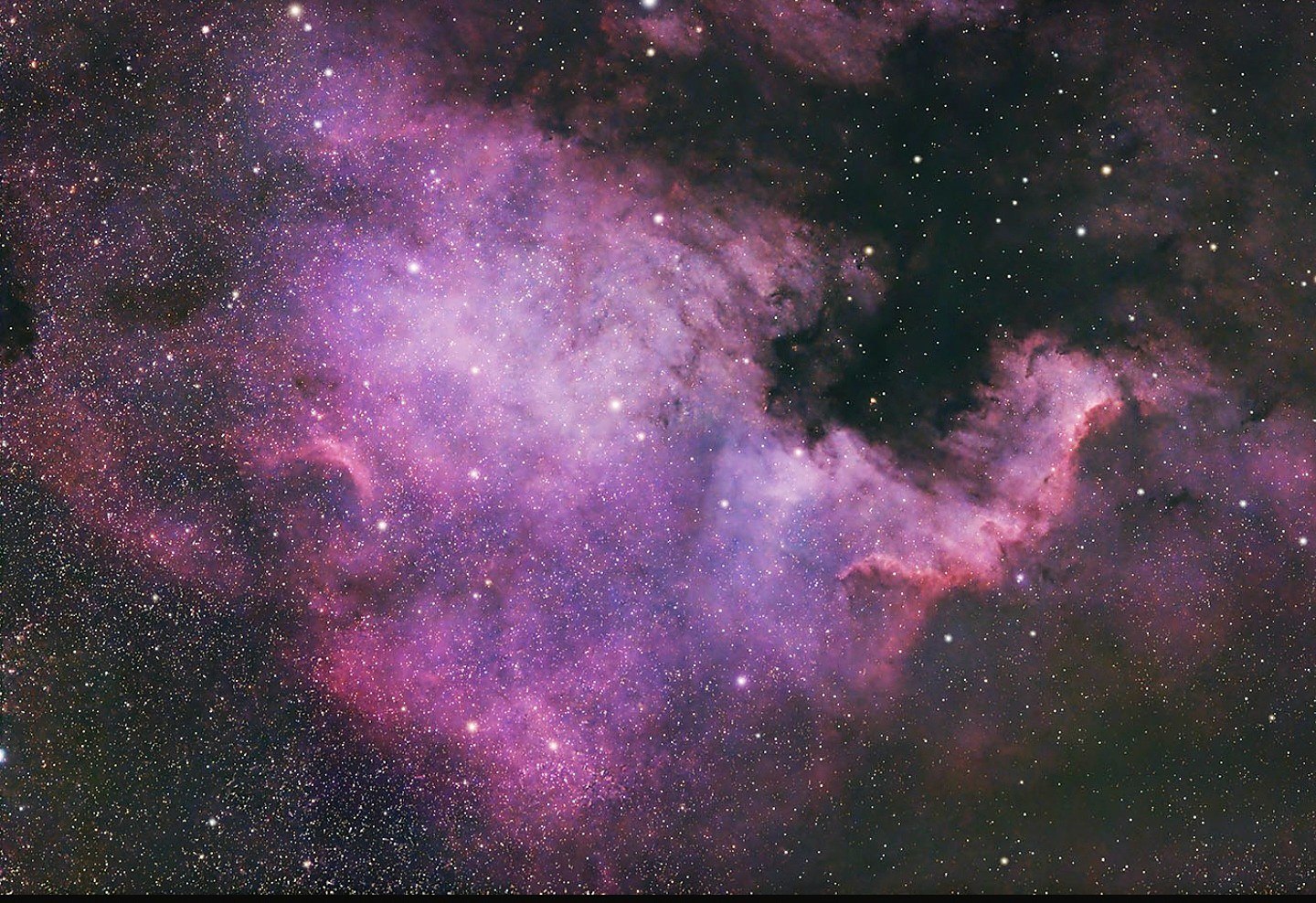
Image credits: M31 — T.A. Rector & B.A. Wolpa / NOIRLab / NSF / AURA (CC BY 4.0); M33 — Popcorn4life (CC BY 4.0); NGC 7000 — KPNO / NOIRLab / NSF / AURA / Adam Block (CC BY 4.0); Veil Nebula — NASA, ESA & Hubble Heritage Team (CC BY 3.0); Double Cluster — Taavi Niittee (CC0). Astronomical images are displayed cropped to fit the page layout.